
Hare and bucket guide
How a Thirsty trail works, and how to set one
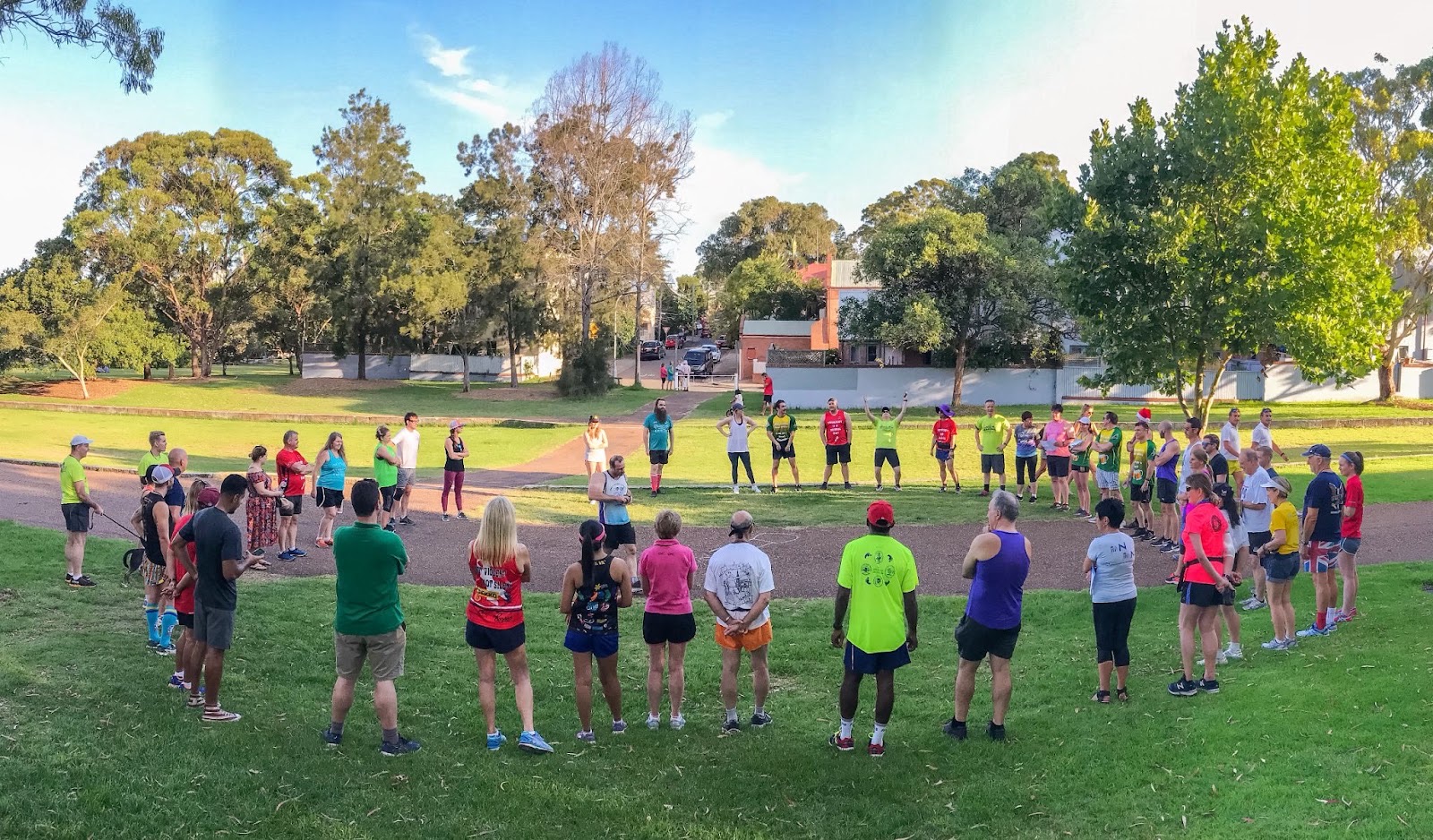
The spirit of a Thirsty run
The hash's 1950 registration card gave its objectives as: to promote physical fitness among members, to work up a good thirst and quench it with beer, and to persuade the older members they're not as old as they feel.
Thirsty hashers come at every speed, from walkers to front-running b**tards (FRBs). A hash is a social run: the hare and the trail master set out to keep everyone on trail and bring the whole pack home at about the same time.
If you're the hare
- Measure it. The slowest runner should finish in about an hour: roughly 7 km before on-backs, up to 8 km or so with an FRB loop. Less in the bush or on hills; Saturdays can go past 9 km
- Use checks and on-backs to keep the pack together, especially at the tops of hills, stairs and after big intersections. Don't lean on regroups
- Give the FRBs an extra loop, clearly marked
- Avoid long straight roads: twist the trail and break it up
- A drink stop 70 to 80% of the way round bunches everyone for the finish
- Don't trail-master your own trail unless you can stay mid-pack
If you're an FRB
- Don't hide at on-backs to drag the whole pack down a dead end: turn round
- Check the checks: if you're first there, that's your job
- Call "On on!", loud and often
- Grab some chalk from the trail master and mark off checks for those behind
- Linger at the halfway bucket
- Training? Run to the start. The trail isn't a training session
If you're the trail master
- Hand chalk or flour to an FRB
- Stay mid-pack, help where trail is truly lost, and mark it clearly as you go
- Point strugglers to short-cuts; get everyone home safe and together
- No clues at checks until the trail's truly cold
Being a hare
The basics
- You can share the job: up to two hares get the credit for a run
- Hares run for free, and drink for free on the night (two per run)
- The next week's hare pours the down-downs the week before
- First time? Ask an old hand to help
Setting trail
- Scout it at least once, and in the dark if the run will be
- No technical bush trails in the dark: save them for daylight saving
- Chalk for pavements (not blue or purple), flour off the concrete, gyprock off-cuts work too. At least one arrow a block; under the street lights at night. Make them big
- Allow 2 to 3 hours to lay an hour's trail; the night before is fine if no rain is due
Before the run
- Post a photo of your trail on the Facebook group wall (not inside the event: most people only see group posts)
- A map for the trail master, street names showing, checks, on-backs and the halfway bucket marked; in a plastic sleeve if rain is likely. Spare maps or a separate trail for walkers help too
- Google My Maps is handy: draw the route as a line, drop markers for checks and the bucket, then share the link with the trail master
The bags
Minding the bags is the hare's job: stay with them, have a co-hare do it, find a willing non-runner, or lock them in a car.
Organising the bucket
What goes in it
- Beer: a mid-range slab of 24 is the best price, plus a lager (premium beer for the snobs, offset with cheaper beer or cider)
- Down-down beer: 6 to 12 mid or low-alcohol
- Cider: at least 14 (a case is better)
- Wine: red and white; a 2 L cask of red is fine. Something bubbly
- Alcohol-free: 6 to 12 zero beers, at least 6 soft drinks, and water (always in summer and on Saturdays without a bubbler)
- Ice (always), cups as needed, and sunscreen and mozzie spray if we're out
How much? Facebook responses × 3. Don't over-cater: it lands on the next hare.
What the hash pays back
- Up to $65 for 24 beers
- Up to $18 for a six-pack of cider
- Up to $15 for a 2 L cask of red
- Three bags of ice
- Reasonable soft drinks and sundries (don't go nuts)
Food and snacks are on the hare, and so is a halfway bucket. Go over the limits at your own cost, but don't set the bar too high for the next hare.
Special events or a bigger spend need Mismanagement's OK before the run: mismanagement@sth3.org.